



The effects of climate change on the real estate market are widespread. Changing weather patterns have affected energy usage, insurance costs, and the overall popularity of different regions among home buyers. If you’re planning to buy or sell a house in the near future, you should understand the impact that current and future climate concerns may have on your experience.
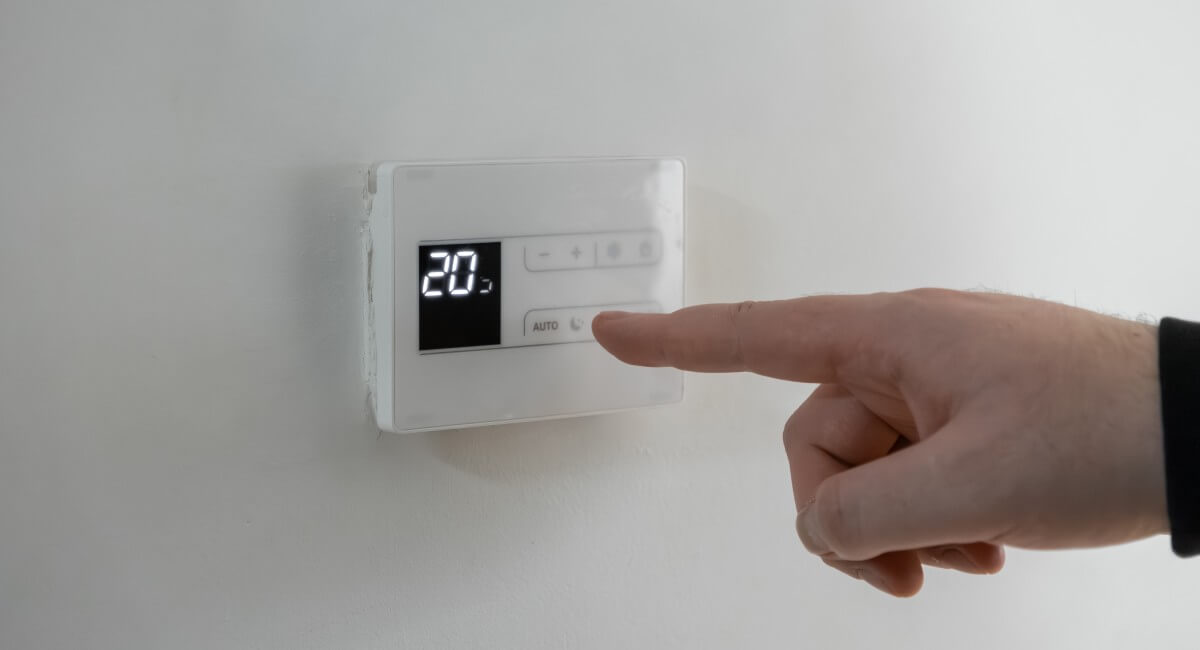
Temperature Regulation
Protection from extreme temperatures has always been valued, but the need for temperature control grows every year. As many regions throughout the United States are getting warmer, home buyers are seeking out properties that stay cool without using an outrageous amount of energy.
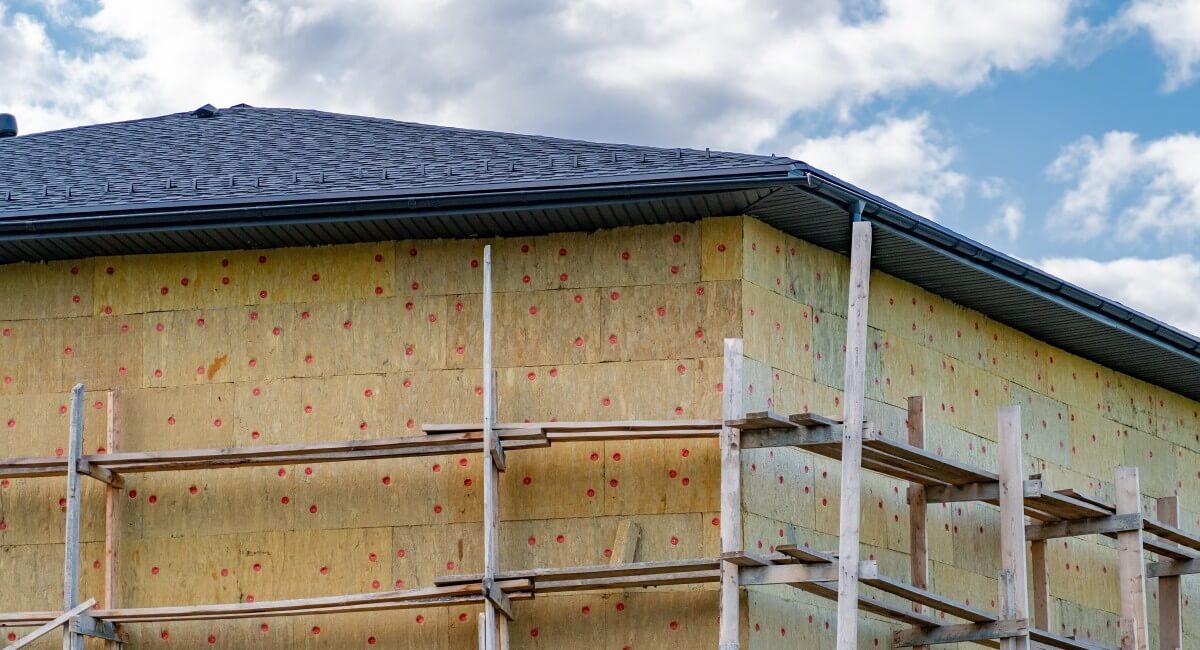
Insulation
Good insulation is one of the best ways to keep the heat out in the summer. Houses with insulation can sell faster and for a higher price than those without.
Insulation in attics, garages, and other unfinished spaces is just as important as insulation throughout a home’s living area. Not only does insulation make these spaces more functional, but it also helps to keep the rest of your home cool.
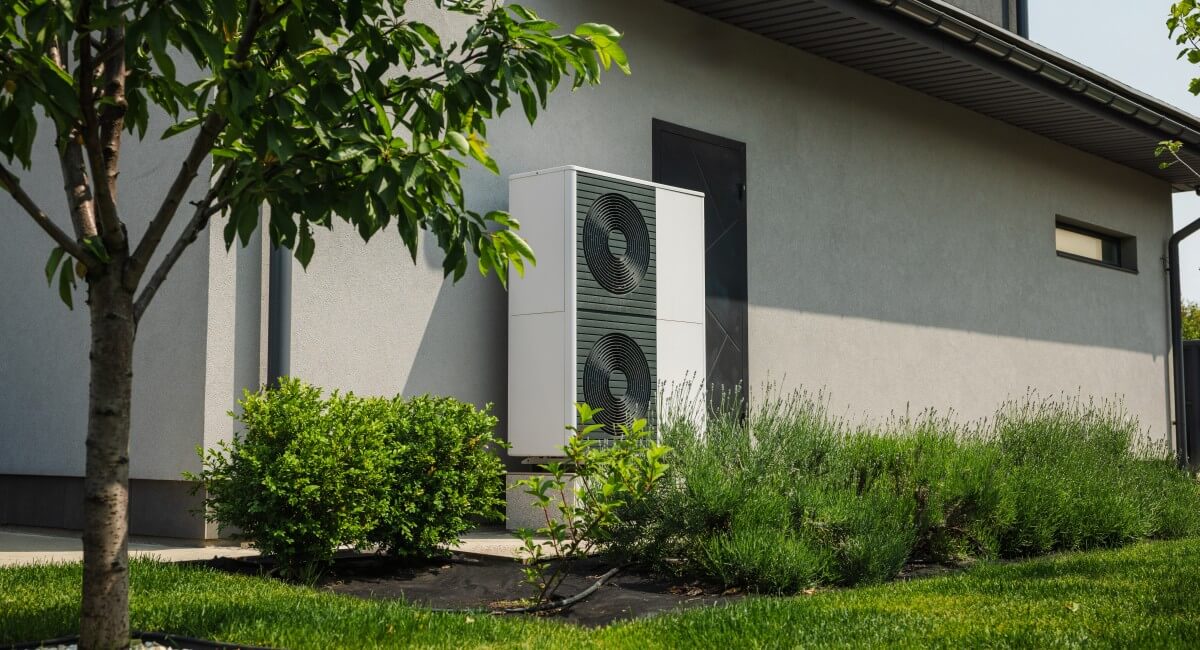
Heat Pumps
Heat pumps are becoming one of the most popular options for heating and cooling. This system is effective, energy efficient, and can reduce your utility costs. In many areas, houses with heat pumps sell for thousands of dollars more than houses with other HVAC systems.
A heat pump cools your house by transferring heat from inside your home to the outdoors. In the winter, it heats up your house by bringing the warm air in. Because it has both heating and cooling capabilities, the system is especially popular in regions that experience hot summers and cold winters.
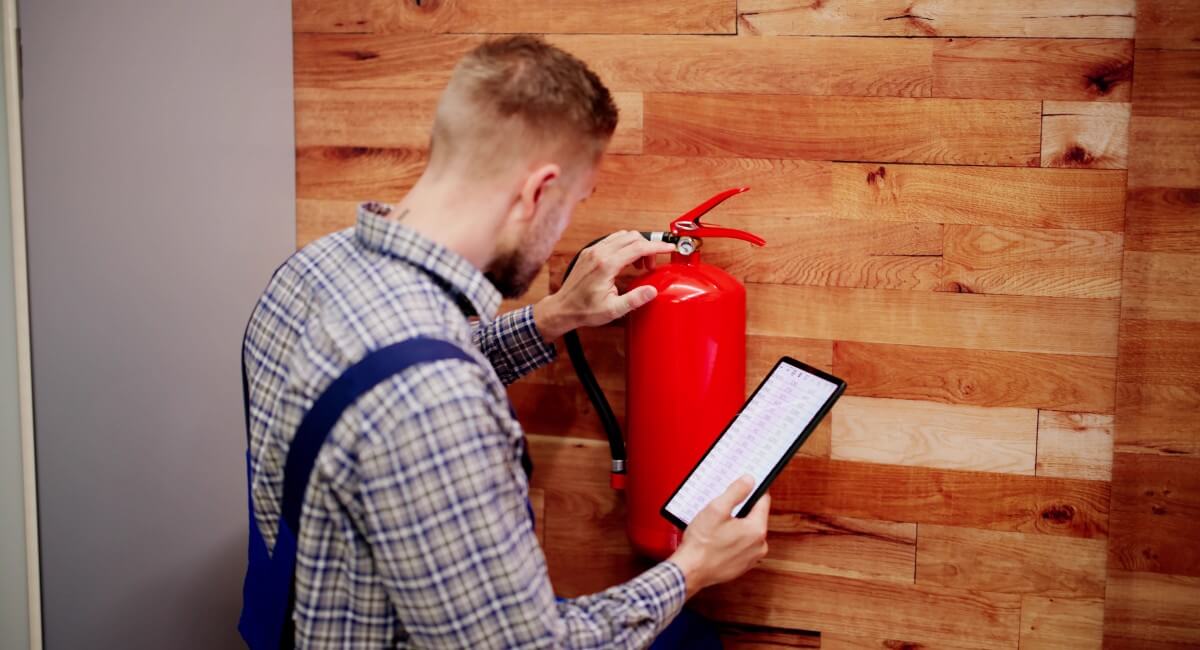
Fire Protection
Wildfires are a significant concern in areas of the western United States. Climate change has worsened the hot, dry conditions that cause wildfires, leading to many devastating fires that have destroyed homes and land.
Wildfires can be unpredictable, so it’s impossible to fully protect your house from damage if you live in a fire-prone area. However, there are ways to make your home less vulnerable to fires. Houses that offer some defense against fires are in high demand and can sell for a premium.
Building Materials
Houses made of concrete, brick, stucco, or other fire-resistant materials are becoming increasingly popular in fire-prone areas. These materials are much less likely to catch fire than lumber, leading to a stronger sense of safety among homeowners and practical benefits like lower insurance rates.
Landscaping
Fire-resistant landscaping can also be very appealing to home buyers in fire-prone regions. When the area around the house is less likely to catch fire, the home has a better chance of withstanding the disaster.
Fireproofing a yard involves clearing all vegetation immediately around the house to create a barrier. Noncombustible landscaping materials, such as gravel and concrete, are also popular.
Flood Protection
Flooding is another extreme weather event that’s becoming more common as a result of climate change. Although flooding can happen almost everywhere, coastal regions that experience hurricanes are at the highest risk.
In most cases, standard home insurance doesn’t cover flood damage from extreme weather. Homeowners in flood-prone areas need to purchase a separate flood policy, but protecting the house from water damage can help to lower the premiums.
Land Grading
To prevent water from flowing into the house during a storm, the land surrounding the home must be graded correctly. Home inspectors typically check this during a standard inspection. In flood-prone areas, poor grading could be a deal-breaker for home buyers.
Drainage
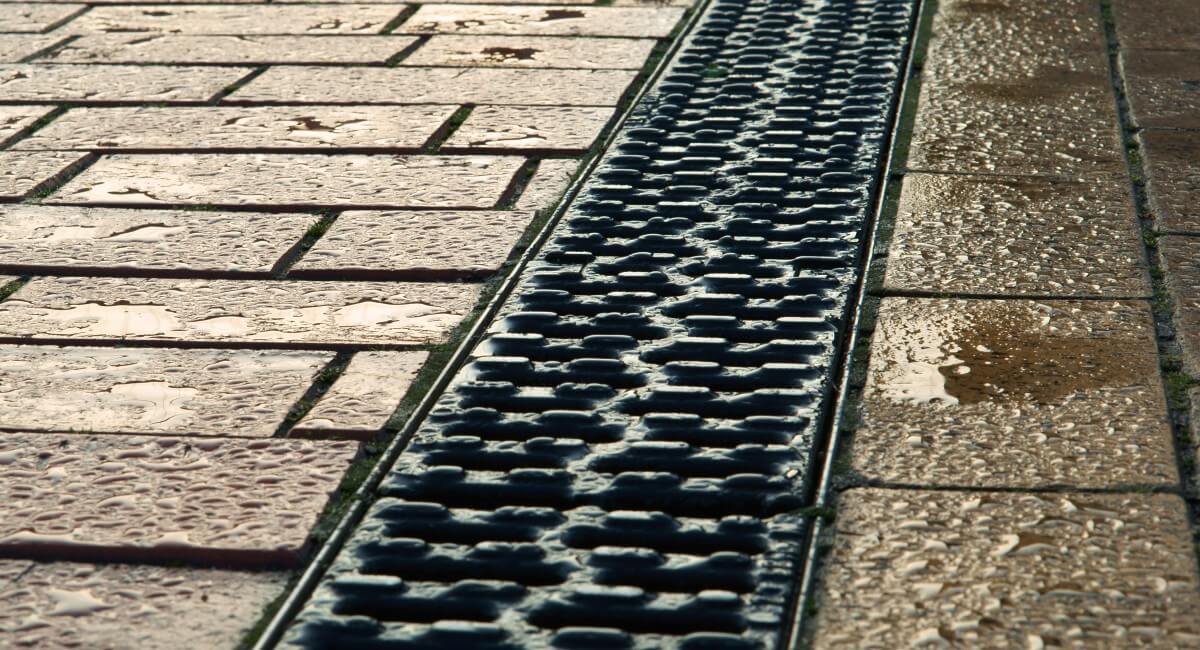
Proper drainage can also prevent water damage during a hurricane or severe rainstorm. In flood-prone regions, flood vents in the garage or crawlspace are absolutely essential. A working sump pump is also critical. Homes without these features may struggle to sell.
Elevation
In some areas, it has become the norm for homes to be elevated so that the lowest floor is at or above flood level. Elevated new-build homes can sell for a premium in coastal regions.
Lifting an existing house is a big investment that can cost tens of thousands of dollars. However, it can offer a great return on investment for homes in flood zones because it almost completely eliminates the risk of flooding.
Flood-Proof Materials
While flooding always has the potential to do serious harm, many homeowners choose materials that resist water damage or are easier and less expensive to replace.
For example, tile or vinyl floor is less likely to sustain damage from flooding than carpet. Waterproof veneers also provide a level of protection for the foundation, walls, and windows.
Regional Shifts
Houses with climate-resistant features are selling faster and for higher prices than traditional homes throughout the United States. Unfortunately, though, some areas are experiencing such significant climate risks that residents are leaving altogether. Many home buyers have decided it’s better to move elsewhere than to try to withstand climate disasters.

Insurance Concerns
Difficulty with insurance is one of the biggest issues driving home buyers away from certain areas. In regions with an exceptionally high risk of fires, flooding, or other disasters, insurance costs are skyrocketing. In some areas, insurance companies are denying coverage altogether.
Home insurance is necessary for financial protection for homeowners, and it’s a requirement for mortgage lenders. If a buyer can’t get a policy for a house, they can’t take out a home loan.
Climate-Proof Cities
As residents leave the areas of the country prone to fires, drought, flooding, and other extreme weather patterns, they’ll begin to flock to more climate-proof regions. The upper Midwest, the Northeast, and parts of the Pacific Northwest are all popular destinations for those seeking climate refuge.
In particular, the following cities are predicted to grow significantly in the coming years as people seek climate-friendly communities:
- Duluth, MN
- Minneapolis, MN
- Ann Arbor, MI
- Madison, WI
- Milwaukee, WI
- Buffalo, NY
- Rochester, NY
- Erie, PA
- Burlington, VT
- Portland, ME
- Seattle, WA
- Spokane, WA

Changing Preferences in a Changing World
As extreme temperatures and drastic weather events become more common across the United States, home buyers’ preferences are shifting. Safety risks, concerns about quality of life, rising insurance costs, and other factors have all made their mark on the real estate industry.
Cities in high-risk areas may see an overall decline in demand for housing as residents leave in favor of climate-proof regions. At the same time, housing costs in climate havens could skyrocket in the coming years.
Buyers that remain in high-risk areas are looking for homes that provide as much protection as possible against high temperatures and natural disasters. Any features that protect the property against the elements can increase a home’s value.
If you’re buying a house, consider how climate disasters could impact your homeownership experience. If you’re selling your home, consider how you can market the property’s climate-friendly features. In both cases, consulting with a trusted local real estate agent can help you understand the impact of changing climate patterns on the market.
